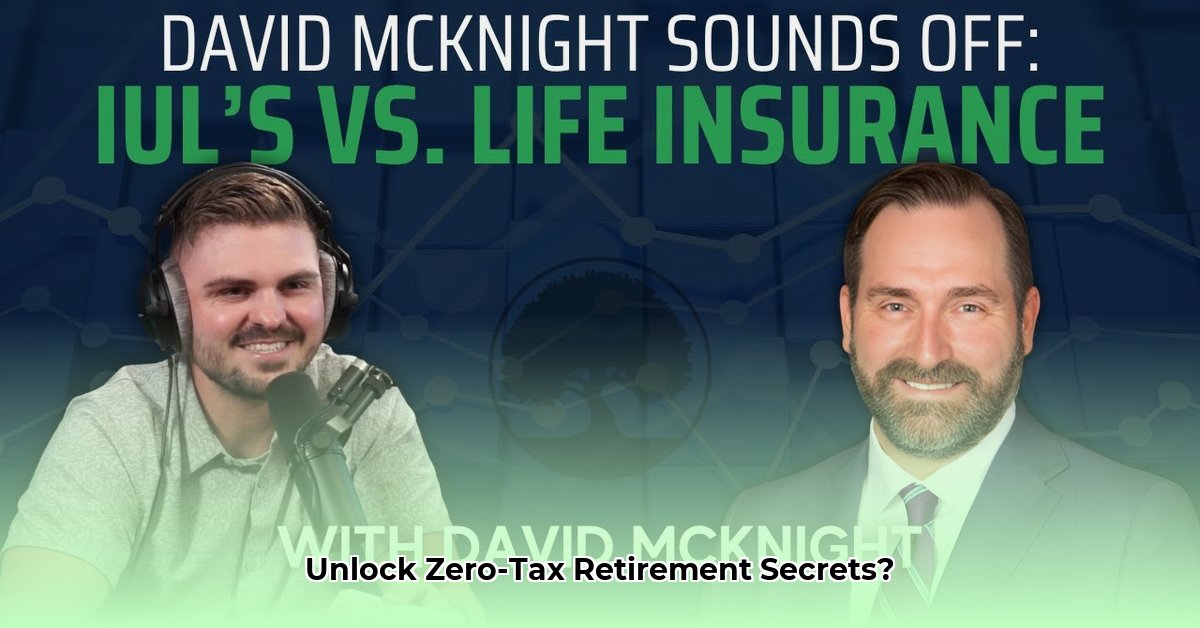
Understanding the Power of a Zero Percent Tax Bracket in Retirement
Retirement: a time for relaxation, travel, and cherished moments with loved ones. Yet, for many, the reality is marred by anxieties about taxes potentially eroding hard-earned savings. This guide explores a powerful strategy to secure a truly fulfilling retirement: achieving a zero percent federal income tax bracket. While individual net worth, such as David McKnight's, can vary greatly, the principles of strategic financial planning remain universally applicable to securing a tax-free retirement. This isn't about tax loopholes; it's about proactive financial management.
The rising national debt and potential for future tax increases underscore the critical importance of proactive retirement planning. A zero percent tax bracket doesn't mean avoiding taxes entirely; rather, it signifies meticulous planning to legally minimize your tax liability during retirement. This approach requires a long-term perspective and a comprehensive understanding of various financial instruments and strategies. It's akin to building a robust financial fortress, protecting your retirement nest egg from potential tax burdens.
Your Roadmap to a Tax-Free Retirement: A Step-by-Step Guide
This section details actionable steps to help you navigate the path towards a zero percent tax bracket in retirement.
Step 1: Conduct a Comprehensive Financial Assessment.
Begin with a thorough evaluation of your current financial situation. This involves:
- Listing all assets: Savings, investments (401(k)s, IRAs, stocks, bonds, real estate), and other valuable possessions.
- Identifying all debts: Outstanding loans, mortgages, and credit card balances.
- Determining current and projected retirement income: Include pensions, Social Security, and other sources. Be realistic and conservative in your projections.
Step 2: Diversify Your Investment Portfolio.
Diversification is crucial for mitigating risk. Spread your investments across different asset classes (stocks, bonds, real estate, etc.) to protect against market fluctuations. Consider tax-advantaged accounts like Roth IRAs to maximize returns and minimize tax liability. Think of this as building a safety net to cushion against economic downturns.
Step 3: Maximize Tax Advantages.
Familiarize yourself with tax deductions and credits to significantly reduce your taxable income. Consult reputable tax guides and websites, and, critically, a qualified financial advisor. They can identify opportunities you might overlook.
Step 4: Choose Tax-Efficient Income Streams.
Carefully consider income sources in retirement. Withdrawals from a Roth IRA are generally tax-free, unlike traditional IRA withdrawals. Explore tax-efficient options such as municipal bonds (often tax-exempt), qualified dividends, and tax-deferred annuities. Thoroughly research each option to understand its advantages and disadvantages.
Step 5: Regularly Review and Adapt Your Plan.
Your financial situation and tax laws evolve. Regularly review (at least annually) and adjust your plan to ensure it aligns with your goals and the latest tax regulations. This proactive approach is vital for maintaining your zero percent tax bracket.
Navigating Potential Risks: A Proactive Approach
While aiming for a zero percent tax bracket is a laudable goal, it's essential to acknowledge potential risks:
| Risk Factor | Potential Impact | Mitigation Strategies |
|---|---|---|
| Changes in Tax Laws | Increased tax liability, undermining the strategy's effectiveness. | Stay informed about tax law changes; consult a tax professional regularly. |
| Inaccurate Income Projections | Insufficient savings to maintain your desired lifestyle and tax-free status. | Use conservative estimates; regularly review and update projections. |
| Market Volatility | Loss of investment value, impacting retirement funds. | Diversify investments; consider hedging strategies; consult a financial advisor. |
| Inflation | Reduced purchasing power of savings over time. | Consider inflation-adjusted income projections; invest in assets that can outpace inflation. |
The Importance of Professional Guidance
The complexity and constant evolution of tax laws necessitate seeking professional guidance. A qualified financial advisor and tax professional can create a personalized strategy, ensure compliance, and navigate intricate tax planning. This expert assistance is highly recommended, not just suggested.
Conclusion: Building a Secure and Tax-Efficient Retirement
Achieving a tax-efficient retirement, even a zero percent tax bracket, is achievable with careful planning. By implementing a proactive strategy, understanding various account types, and seeking professional guidance, you significantly increase your chances of success. Remember—the earlier you begin, the more likely you are to achieve your financial goals. Consult with professionals for personalized guidance. This is not financial advice; consult a qualified professional before making any significant financial decisions.